Description
Forthcoming
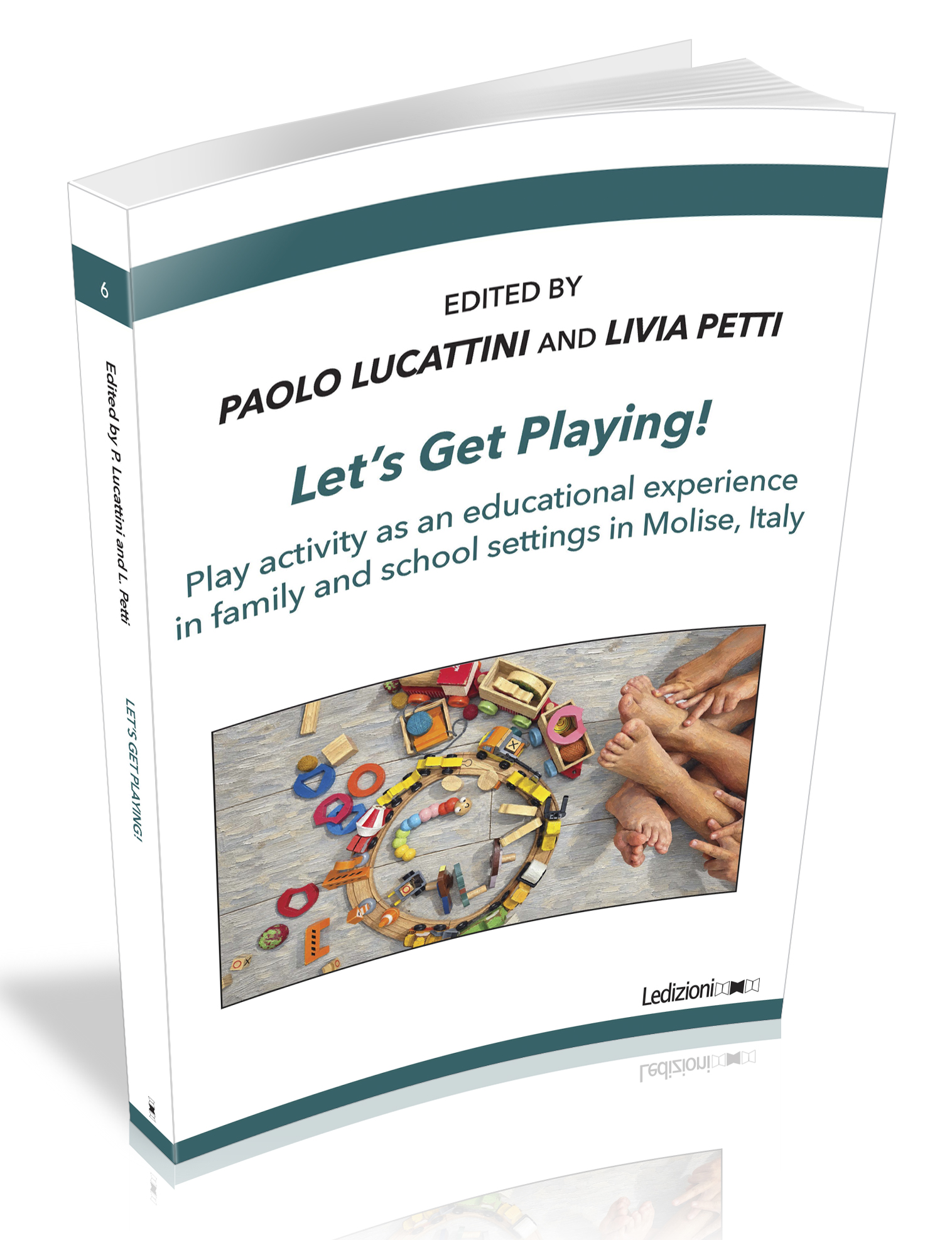
Play is a fundamental aspect of child development; through play-based activities, children exercise their bodies and minds while exploring their surroundings, objects, and social relationships. It is noteworthy that, in the absence of restrictive interventions by overprotective adults, children acquire a significant wealth of knowledge, driven by the spontaneity and natural quality of play itself. In today’s world, characterized by an increasingly rapid pace of change, individuals must learn to adapt to constantly evolving conditions; consequently, a person’s future success may be closely linked to their ability to think and act creatively. In this context, it is essential to recognize the value of play and its associated culture — the set of practices, meanings, and values that give “sense” to the act of playing. This work — a collaborative effort by our research group, which incorporates insights from scholar Gianfranco Staccioli — aims to provide an overview of the role of play in the daily lives of children aged 6 to 11 in the Molise region. Through the perspectives of teachers and parents, it examines the play opportunities available to these children, both at home and in public spaces. The findings are further interpreted by the authors, who reflect on key emerging themes, highlighting the connections between play, learning, the school environment, inclusion, interculturality, social inequality, the role of adults, the digital dimension, and sports.